Vatican Museums

Vatican Museums

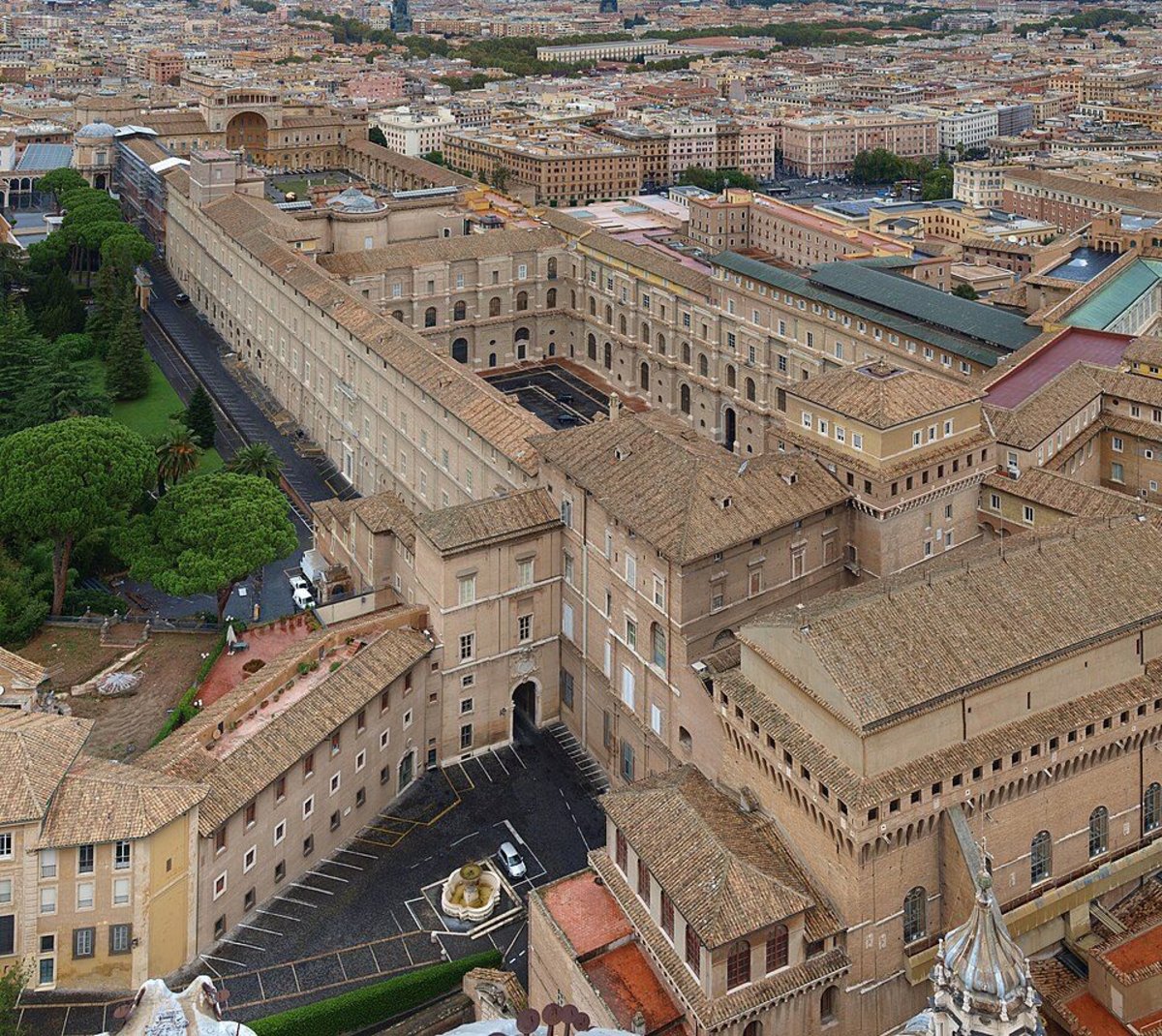
The Vatican Museums, one of the largest in the world, display the Church's collection of art and sculpture.

Type
Museum
Country
Italy
Location
Vatican City
Scroll
01At a Glance

Often hailed as the Museum of Museums, the Vatican Museums are a collection of works of art, sculpture, archaeological finds and ancient epigraphy which resulted from papal patronage over centuries. The museum originated with the collection of sculptures of Pope Julius II who was in office from 1503 to 1513. Its beginnings are believed to be one marble sculpture discovered in a vineyard near the basilica of Santa Maria Maggiore in Rome. On hearing of this find, Pope Julius II sent two famous artists who at that time were working at the Vatican to examine the artifact. The artists who vetted the sculpture were Giuliano da Sangallo and Michelangelo. The sculpture was immediately purchased from the vineyard owner, on the recommendation of Sangallo and Michelangelo. The piece was a work from Roman times depicting the Trojan priest Laocoön and his two sons being attacked by giant serpents. It went on display within a month of its discovery and thus laid the foundation of one of the most extraordinary art collections of all time. The Vatican Museums and galleries are housed in the papal palaces and other buildings in the Vatican. It is actually a collection of different groups of museums- there are 54 galleries in total which house an estimated 70,000 works of art. Of these only 20,000 are open to public display. A visit to this museum is a must on the itinerary of anyone visiting Vatican City . Founded in the 18th century by Pope Clement XIV, the Pio-Clementino Museum was later enlarged by Pope Pius VI. The museum is named after these two popes who were instrumental in its founding. Originally displaying works of the Renaissance period, it was later enlarged to house sculptures from the Greek and Roman eras. Designed by the sculptor Antonio Canova, the Chiaramonti Sculpture Gallery was established by Pope Pius VII in the 19th century. It takes its name from Pope Pius VII, whose surname before his election as pope was Chiaramonti. The Chiaramonti comprises three sections: the main large arched gallery designed by Bramante in which are exhibited several statues, sarcophagi and friezes. The second section is the Braccio Nuovo or the New Wing, built by Raffaele Stern which houses important sculptures such as Augustus of Prima Porta, the Doryphoros, and The River Nile. The Gallery of Inscriptions or Galeria Lapidaria which is the third section of the Chiaramonti Museum contains over 3,000 stone tablets and inscriptions. It is not accessible to the general public although permission is granted to academics for study purposes. Besides these the other major galleries are the Gregoriano Etrusco Museum (Etruscan) , Gregoriano Egiziano Museum (Egyptian), the Vatican Historical Museum and the Collection of Modern Religious Art. A visit to this beautiful museum is absolutely worth undertaking at least once in a lifetime . The beauty of the Vatican and its Museums is unparalleled- every corner is rich in art, architecture, culture and history.

1

Founded in the 18th century by Pope Clement XIV, the Pio-Clementino Museum was later enlarged by Pope Pius VI

2

Originally displaying works of the Renaissance period, it was later enlarged to house sculptures from the Greek and Roman eras

3

Designed by the sculptor Antonio Canova, the Chiaramonti Sculpture Gallery was established by Pope Pius VII in the 19th century

4

The Chiaramonti comprises three sections: the main large arched gallery designed by Bramante in which are exhibited several statues, sarcophagi and friezes

5

The second section is the Braccio Nuovo or the New Wing, built by Raffaele Stern which houses important sculptures such as Augustus of Prima Porta, the Doryphoros, and The River Nile

02Plan Your Visit
Getting There
Viale Vaticano, 00165 Vatican City

Metro Line A to Ottaviano or Cipro stations (10 minute walk). Bus 23, 49, 32, 271 to the museums entrance. From St Peter's Square walk along the Vatican wall northward (15 minutes). Book tickets online months in advance — same-day queues can exceed 3 hours.

Open in Google Maps →
Vatican Time (CET)
--:--:--
Opening Hours
Vatican Museums (low season)9:00 AM - 4:00 PM
Mon-Sat (last entry2:00 PM
03Must See

What to seek out, and why it matters

I
Final gallery of the museum route Michelangelo's ceiling (1508-12) depicts the creation of Adam, the Fall, the story of Noah, and a multitude of prophets and sibyls

The Sistine Chapel

all painted while lying on scaffolding by a man who described himself as a sculptor. The Last Judgement on the altar wall (1536-41) is more sombre, more powerful, and more disturbing. To stand in this room is to understand why people say that human beings occasionally achieve the divine. The Raphael Rooms (Stanze di Raffaello) — Before the Sistine Chapel in the route The School of Athens (1509-11) in the Stanza della Segnatura places Plato, Aristotle, Socrates, Pythagoras, and Euclid in an ideal classical space. Raphael included himself among the figures. The other rooms contain the Disputation of the Holy Sacrament, the Fire in the Borgo, and the Liberation of St Peter — together the most complete humanist programme of Renaissance painting.

The Gallery of MapsAlvesgaspar, CC BY-SA 4.0, via Wikimedia CommonsII

The Gallery of Maps

so that you walk through Italian geography under a canopy of sacred history. Nothing else in Rome is quite like it.

The Pio-Clementino MuseumHagesandros, Athenedoros, and Polydoros, CC BY-SA 4.0, via Wikimedia CommonsIII

The Pio-Clementino Museum

the famous marble group of a Trojan priest and his sons strangled by sea serpents, excavated in 1506 — and the Apollo Belvedere are here. These two works defined the Renaissance understanding of the classical ideal. The museum is the foundation of Western art history.

IV

The Pinacoteca

Picture gallery section Contains Raphael's Transfiguration, Caravaggio's Deposition from the Cross, Leonardo da Vinci's St Jerome, and works by Bellini, Perugino, and Fra Angelico. As a standalone gallery it would rank among the top art museums in Europe.

04Masses & Events
Free Entry SundayLast Sunday of every month

free but extremely crowded — The only free entry day

After-Hours TourSelect evenings

book via Vatican Museums website — Evening tours of empty galleries and the

Sistine Chapel without crowds Papal AudienceWednesday mornings in St Peter's Square (when Pope is in Rome)

Not part of the museum visit but can be combined; register through the Vatican

5Reflection & Prayer

Michelangelo painted the Sistine ceiling while lying on scaffolding, staring upward for four years. When he finished and came down, he said his eyesight had been damaged from the effort. He was in his late thirties when he began — and most art historians consider it the greatest achievement of a single artist in the history of Western civilisation. The question it raises is not an art-historical one. It is: what would you endure, for four years, to build something that would last five hundred?

Proverbs 3:19

By wisdom the Lord laid the earth's foundations, by understanding he set the heavens in place.

Read in full on Bible Gateway →
A Pilgrim's Prayer

God who breathed life into Adam's outstretched hand as painted on this ceiling — I reach toward you with the same inadequate hand. I know how far the distance is. I see it above me. But Michelangelo understood something about that gap: it is not the length that matters, it is the direction. I reach. You reach. Somewhere in the middle: grace. Amen.

06More

Often hailed as the Museum of Museums, the Vatican Museums are a collection of works of art, sculpture, archaeological finds and ancient epigraphy that resulted from papal patronage over the centuries.

The First Sculpture

The museum originated with the collection of sculptures of Pope Julius II, who was in office from 1503 to 1513. Its beginnings are believed to be one marble sculpture discovered in a vineyard near the Basilica of Santa Maria Maggiore in Rome. On hearing of this find, Pope Julius II sent two famous artists who at that time were working at the Vatican to examine the artefact. The artists who vetted the sculpture were Giuliano da Sangallo and Michelangelo.

The sculpture was immediately purchased from the vineyard owner, on the recommendation of Sangallo and Michelangelo. The piece was a work from Roman times depicting the Trojan priest Laocoön and his two sons being attacked by giant serpents. It went on display within a month of its discovery, and thus laid the foundation of one of the most extraordinary art collections of all time.

A Collection of Collections

The Vatican Museums and galleries are housed in the papal palaces and other buildings in the Vatican. It is actually a collection of different groups of museums — there are 54 galleries in total, which house an estimated 70,000 works of art. Of these, only 20,000 are open to public display. A visit to this museum is a must on the itinerary of anyone visiting Vatican City.

The Pio-Clementino Museum

Founded in the 18th century by Pope Clement XIV, the Pio-Clementino Museum was later enlarged by Pope Pius VI. The museum is named after these two popes, who were instrumental in its founding. Originally displaying works of the Renaissance period, it was later enlarged to house sculptures from the Greek and Roman eras.

The Chiaramonti Gallery

Designed by the sculptor Antonio Canova, the Chiaramonti Sculpture Gallery was established by Pope Pius VII in the 19th century. It takes its name from Pope Pius VII, whose surname before his election as pope was Chiaramonti. The Chiaramonti comprises three sections. The first is the main large arched gallery designed by Bramante, in which are exhibited several statues, sarcophagi and friezes. The second section is the Braccio Nuovo, or New Wing, built by Raffaele Stern, which houses important sculptures such as the Augustus of Prima Porta, the Doryphoros, and The River Nile.

The Gallery of Inscriptions, or Galleria Lapidaria, which is the third section of the Chiaramonti Museum, contains over 3,000 stone tablets and inscriptions. It is not accessible to the general public, although permission is granted to academics for study purposes.

Other Galleries

Besides these, the other major galleries are the Gregoriano Etrusco Museum (Etruscan), the Gregoriano Egiziano Museum (Egyptian), the Vatican Historical Museum, and the Collection of Modern Religious Art.

Visiting

A visit to this beautiful museum is absolutely worth undertaking at least once in a lifetime. The beauty of the Vatican and its museums is unparalleled — every corner is rich in art, architecture, culture and history.

Artworks Here
More from Italy
Pio Clementino Museum, Rome
VA, Cdad. del Vaticano, 00120
Sistine Chapel
Vatican City 00120
St Peter's Basilica
Vatican City
St Mark's Basilica
Venice